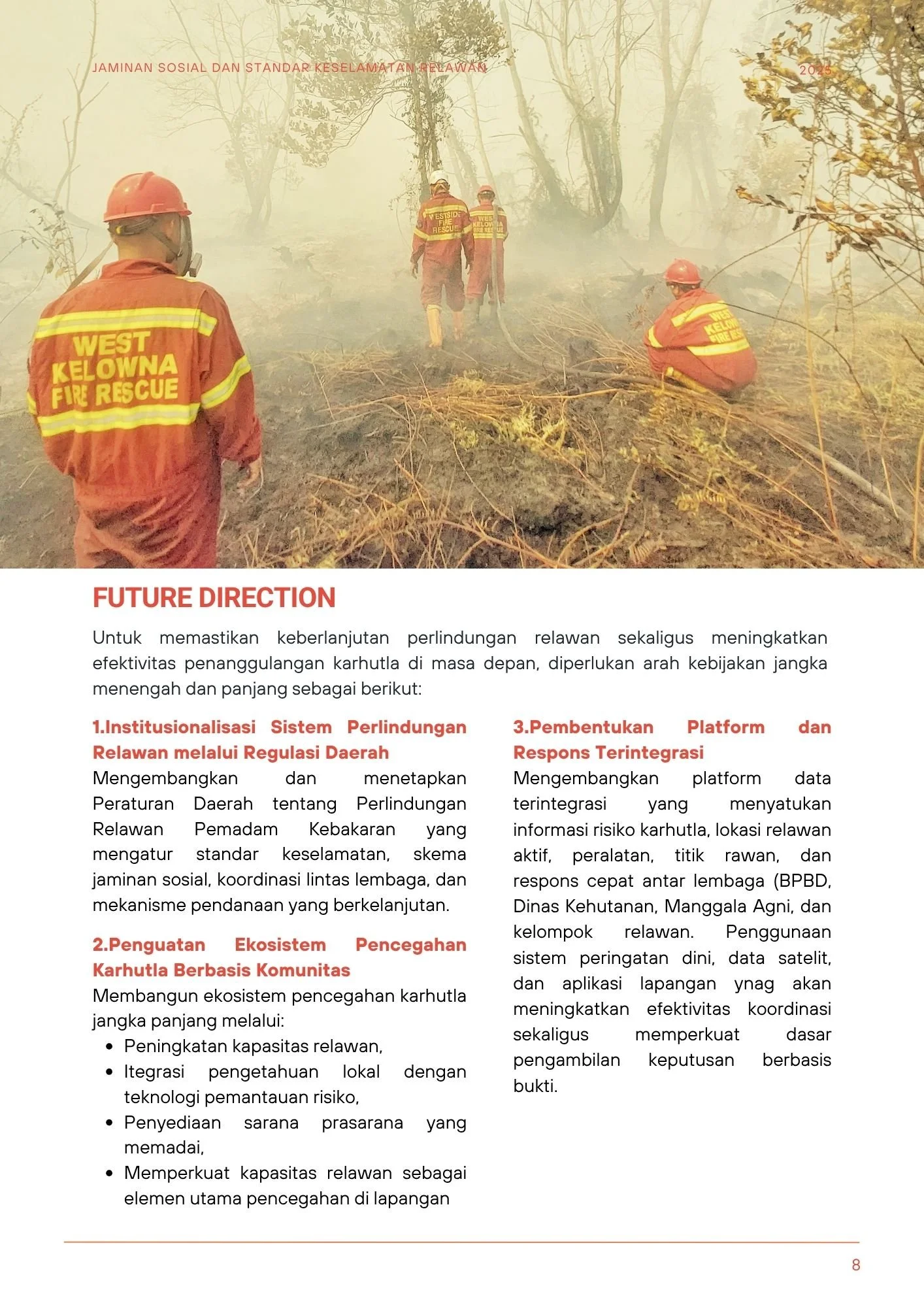
This policy brief highlights the urgent need to strengthen the well-being and protection of volunteer firefighters through better equipment, social and health protection, appropriate incentives, and stronger institutional support.
This policy brief highlights the urgent need to strengthen the well-being and protection of volunteer firefighters through better equipment, social and health protection, appropriate incentives, and stronger institutional support.
Learn how communities can replicate Ranu Welum’s Haze Shelter model to create safer spaces during haze emergencies, with approaches adaptable to both wooden and permanent buildings.
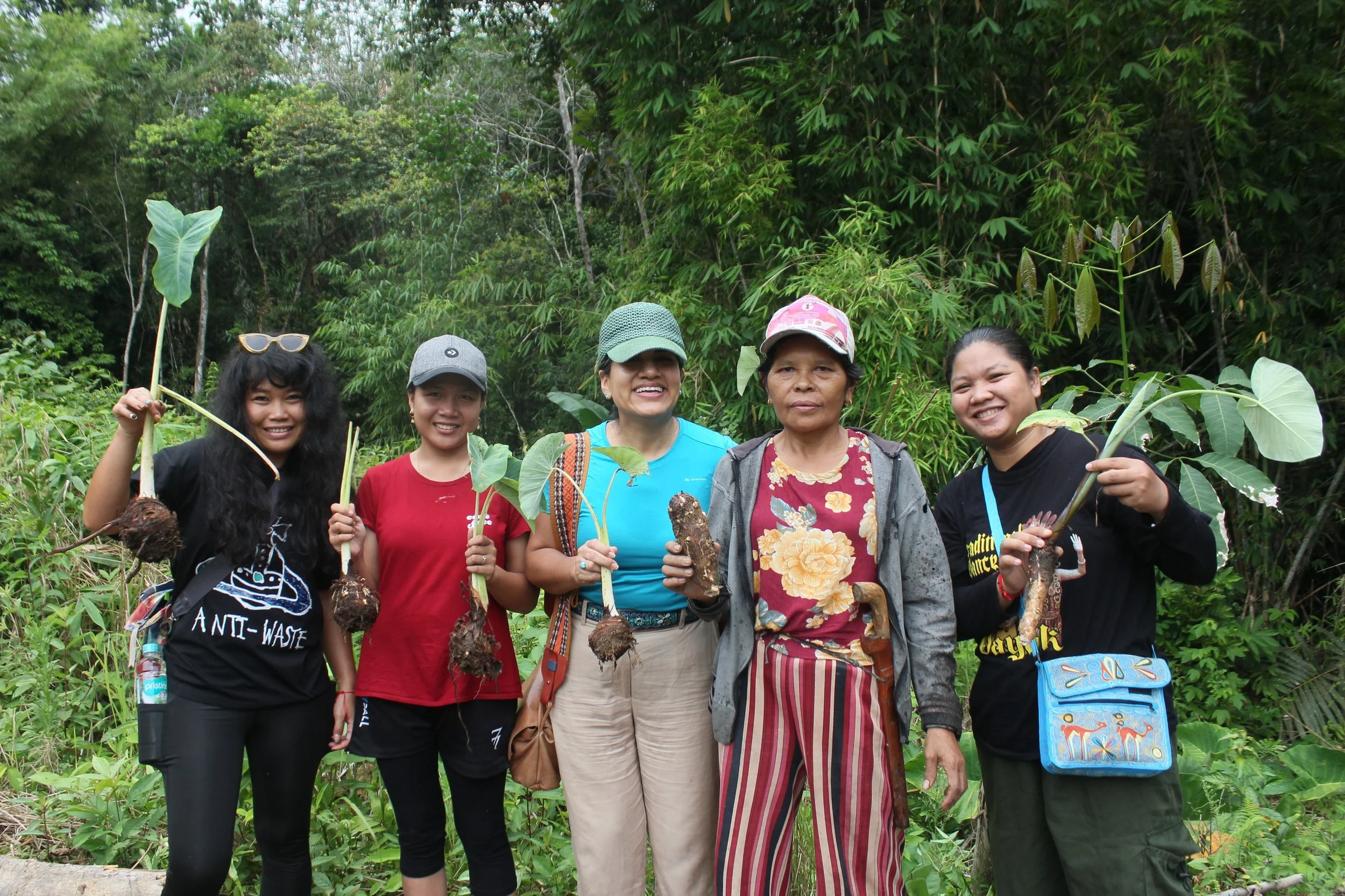
What happens when Indigenous women from the Amazon and Kalimantan meet? Despite their different languages and traditions, they discovered shared experiences of protecting ancestral lands, sustaining their communities, and passing ecological knowledge from one generation to the next.
Kalimantan International Indigenous Film Festival (KIIFF) 2025 brought together Indigenous communities, filmmakers, and audiences to celebrate "Preserving Indigenous Ecological Knowledge." Through films, dialogues, competitions, and inclusive initiatives, the festival reaffirmed cinema as a powerful medium for preserving ancestral wisdom, strengthening cultural identity, and inspiring collective action for environmental justice.
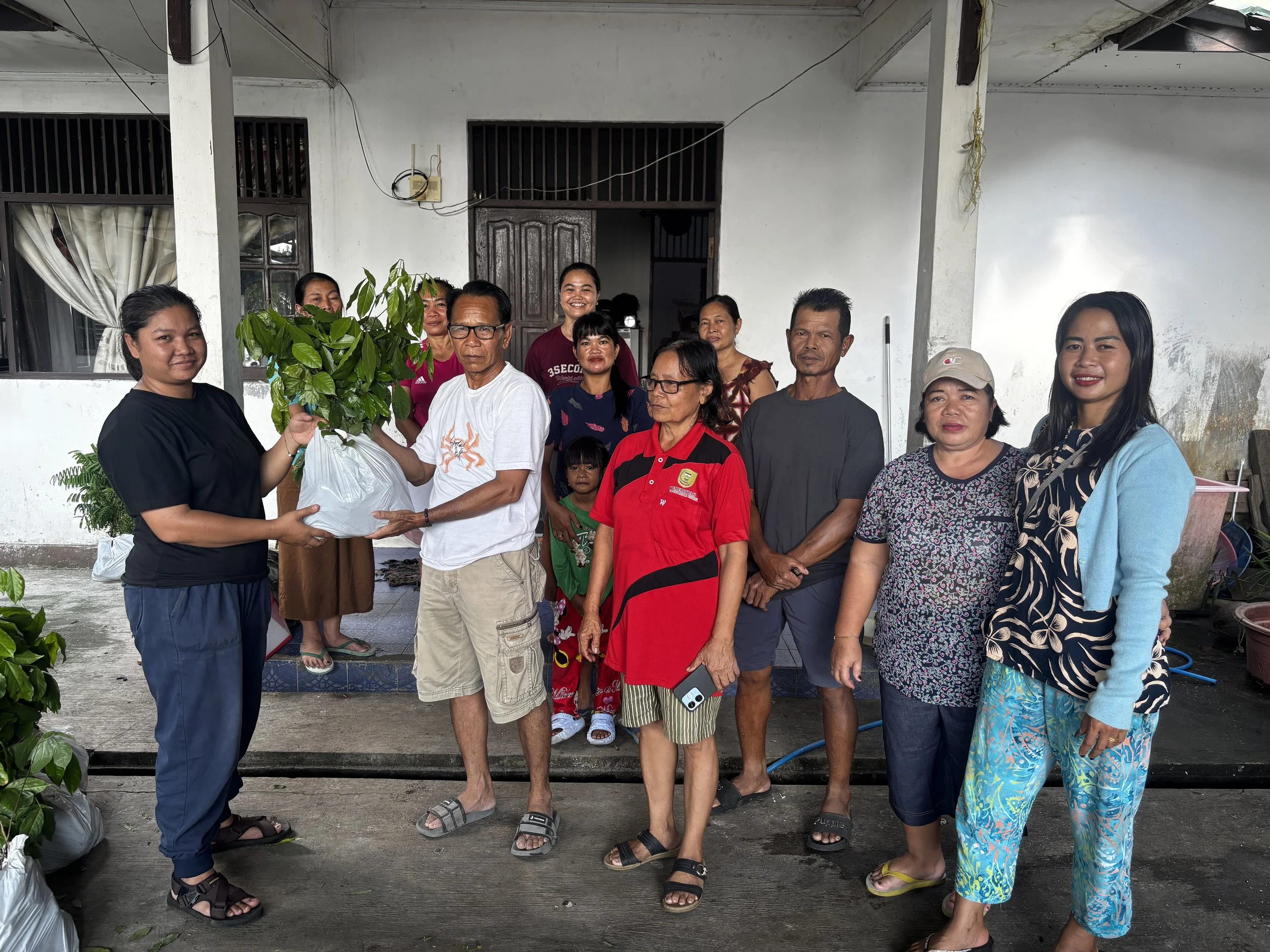
The Heartland Project distributed 9,000 fruit and multipurpose tree seedlings through GKE churches in Tangkahen Lama, Tangkahen Baru, and Pandawei. The initiative strengthens food security, promotes community-based agroforestry, and supports sustainable livelihoods for Indigenous communities in Central Kalimantan.
Distribution of 9,000 jengkol and stink bean tree seedlings to three villages in GKE Bawan Parish supports landscape restoration, food security, and sustainable livelihoods.
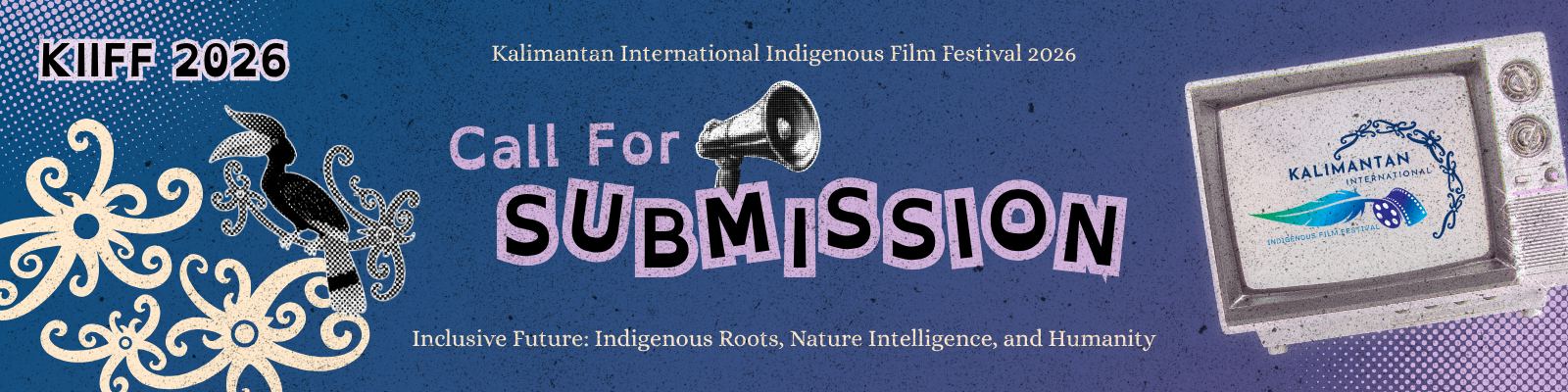
The Kalimantan International Indigenous Film Festival (KIIFF) is excited to announce that submissions for KIIFF 2026 are now officially open! This year, KIIFF 2026 are carrying the theme "Inclusive Future: Indigenous Roots, Nature Intelligence, and Humanity". Submit your film and become part of a growing movement that celebrates Indigenous voices and reimagines a more inclusive future for all.
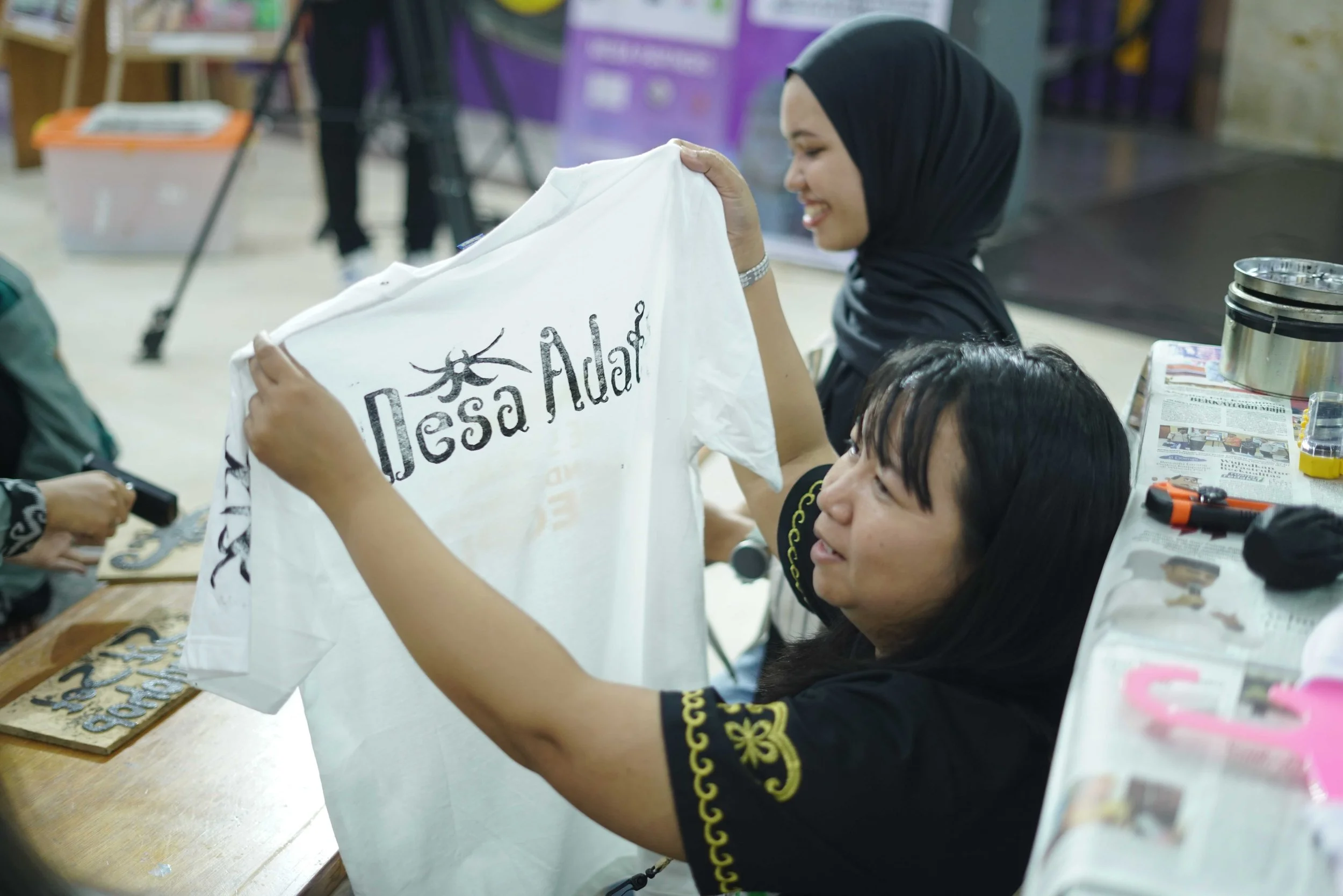
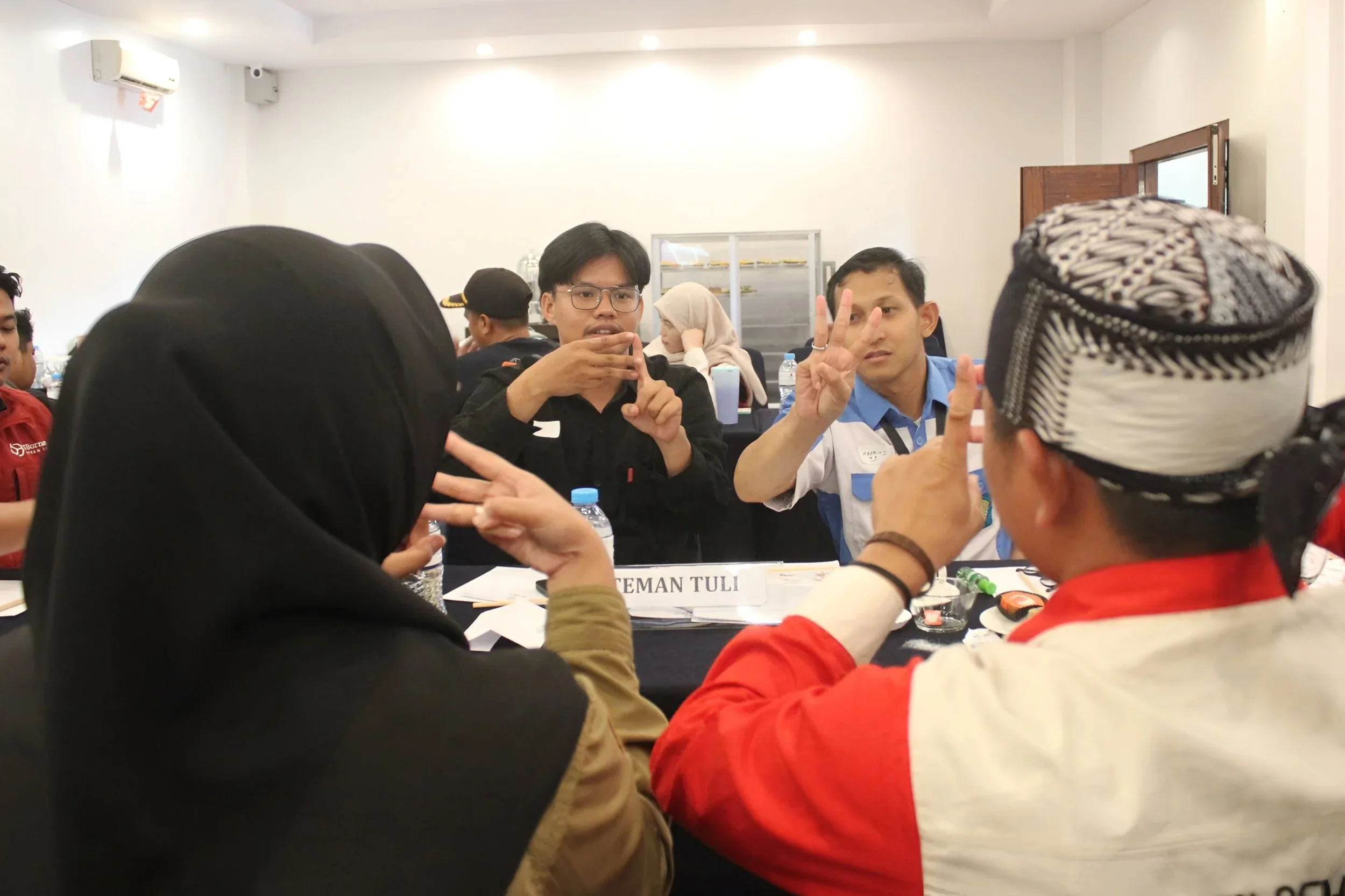
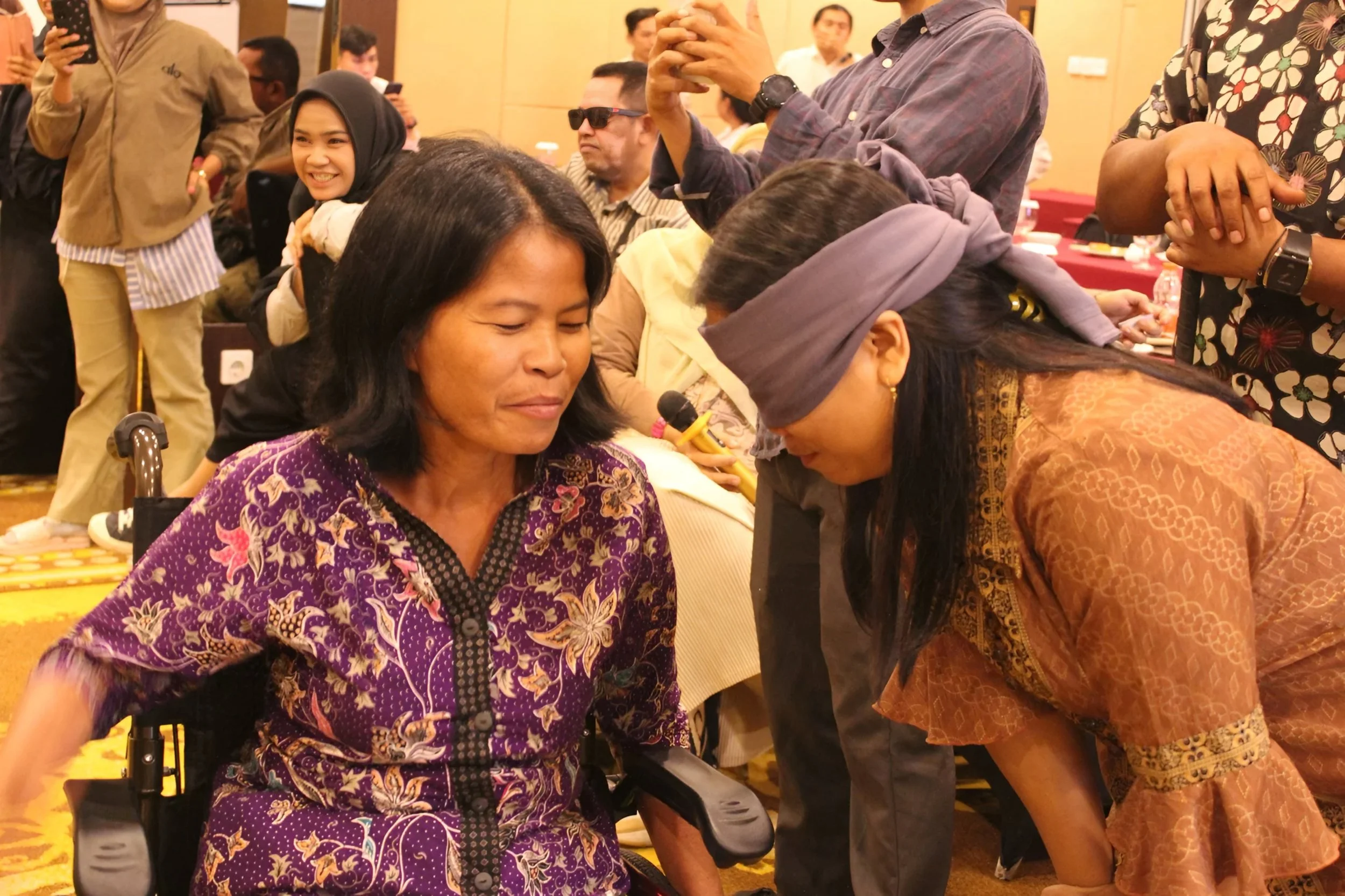
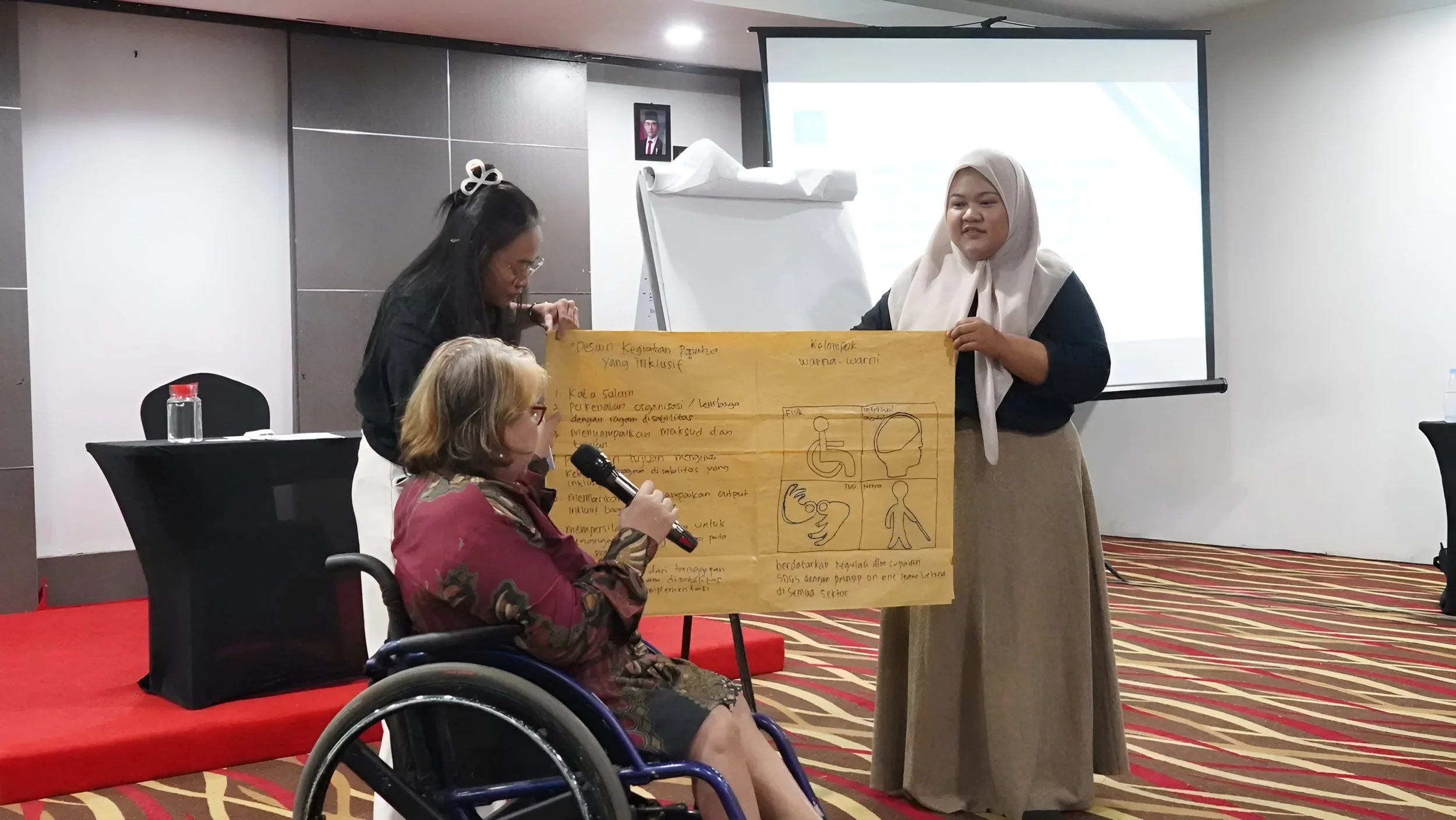
The Weaving Collaboration Program: Promoting Disability Inclusion in the Context of Indigenous Communities in Kalimantan, held on 20–21 April 2026 by Ranu Welum Foundation together with Borneo Urban Lab and the National Commission on Disabilities of Indonesia, with support from the Ministry of Home Affairs of the Republic of Indonesia and Ford Foundation.
On 15–16 April 2026 in Palangka Raya, the activity Sensitization of Indigenous Community Elders and Inclusive Disaster Risk Reduction in Central Kalimantan was organized by Ranu Welum Foundation in collaboration with the National Commission on Disability (KND), with support from the Ministry of Home Affairs of the Republic of Indonesia and Ford Foundation.
Ranu Welum Foundation described the training as the initial phase to facilitate facilitators. The strategy applied is a training-of-trainers model, equipping participants to become inclusion facilitators in their respective communities.
From Kalimantan to Africa, from traditional living system to climate action at the forefront! 🔥🔥We are thrilled to unveil the #KIIFF2025 OFFICIAL SELECTION!
The Ranu Welum Foundation is thrilled to announce that it has been awarded the distinguished Equator Prize 2025, a prestigious recognition granted by the United Nations Development Programme (UNDP) for outstanding community efforts that demonstrate and exemplify sustainable development. RWF is chosen as winner among the ten Equator Prize awardees of 2025, selected from more than 700 nominations spanning 103 countries.
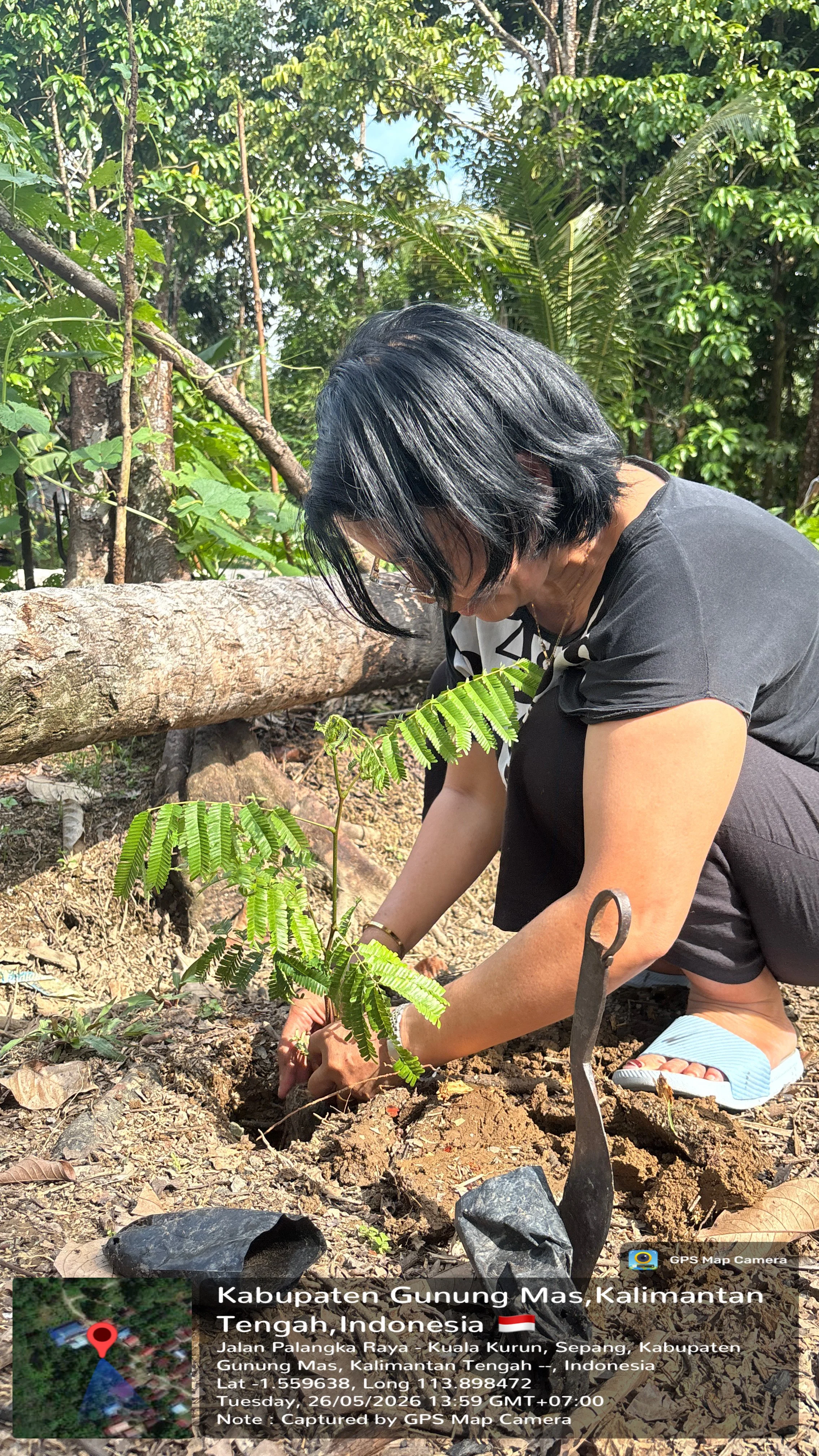
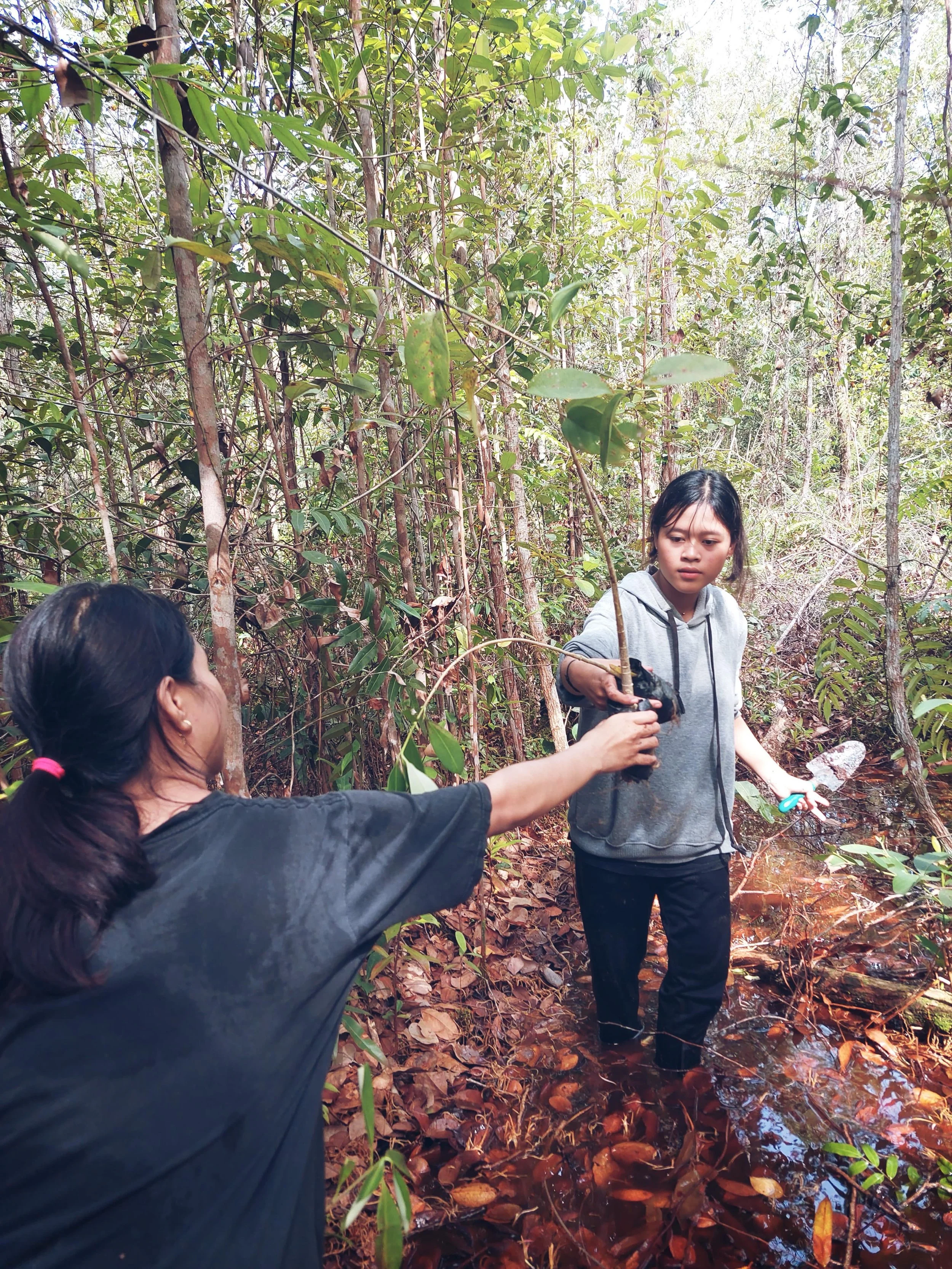
We planted three types of endemic Kalimantan trees, namely Pulai (Alstonia scholaris), Balangeran (Shorea balangeran), and Meranti (Shorea spp.). All three were chosen because they have an important ecological role in maintaining the balance of peat soil and supporting biodiversity.
We are excited to announce that the 2025 Kalimantan International Indigenous Film Festival is officially accepting submissions! This year’s theme, "Preserving Indigenous Ecological Knowledge," underscores the invaluable wisdom that Indigenous communities have cultivated over centuries in harmony with nature.
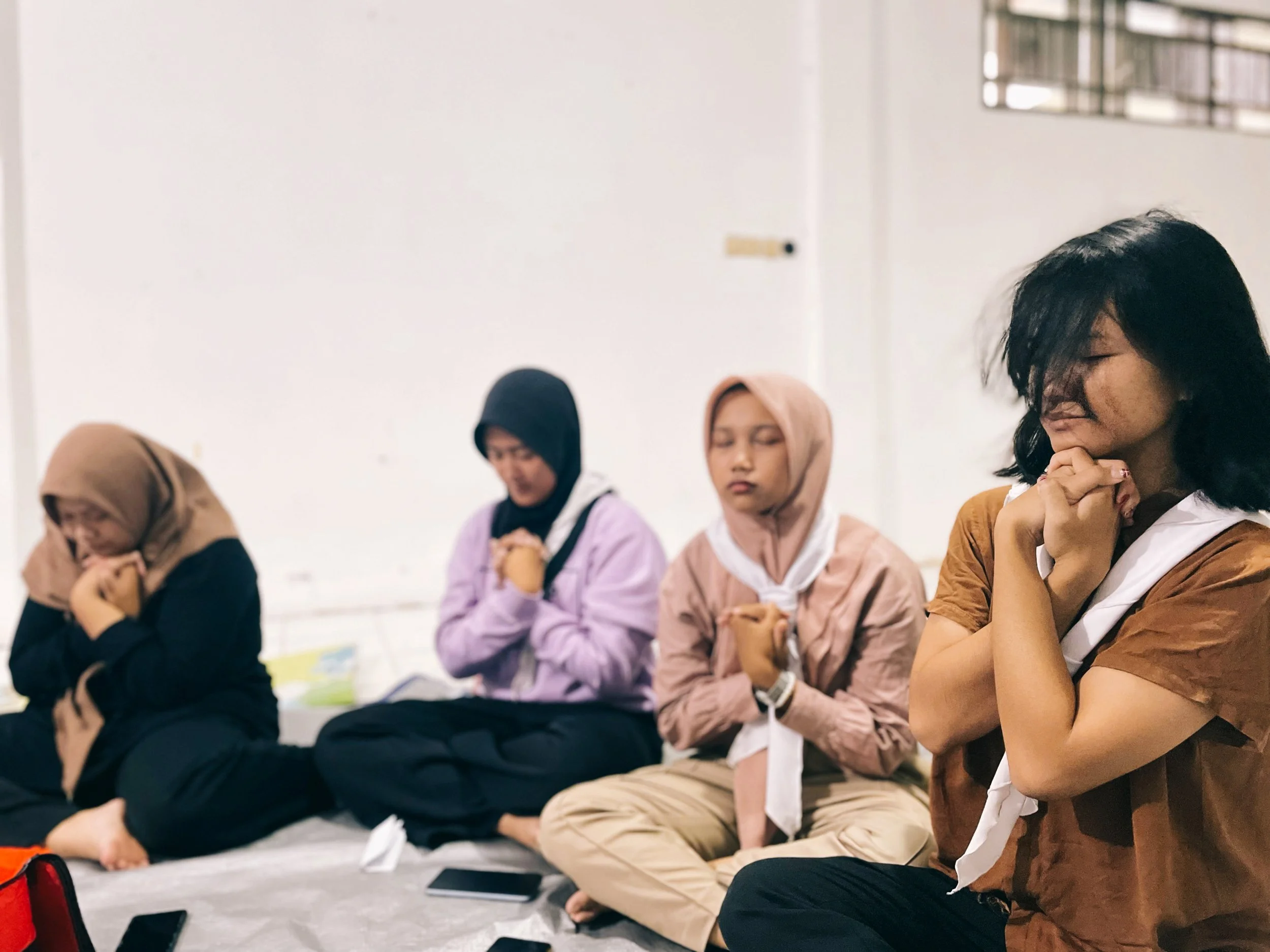
Leading the session was Daurie Bintang, a certified therapist, whose extensive expertise provided a robust learning experience for participants. The comprehensive training focused on skills that are indispensable for volunteers working in disaster-prone settings.
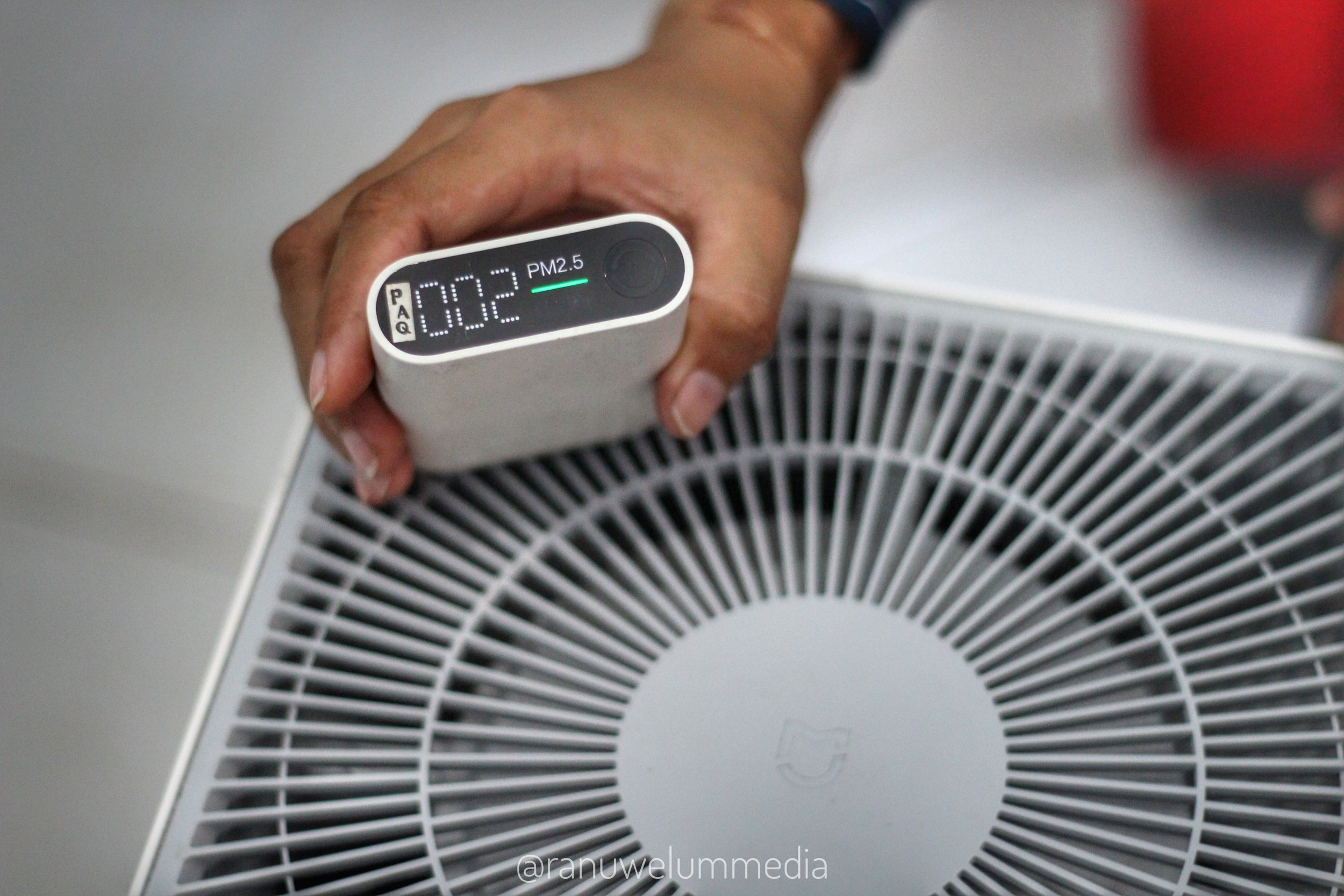
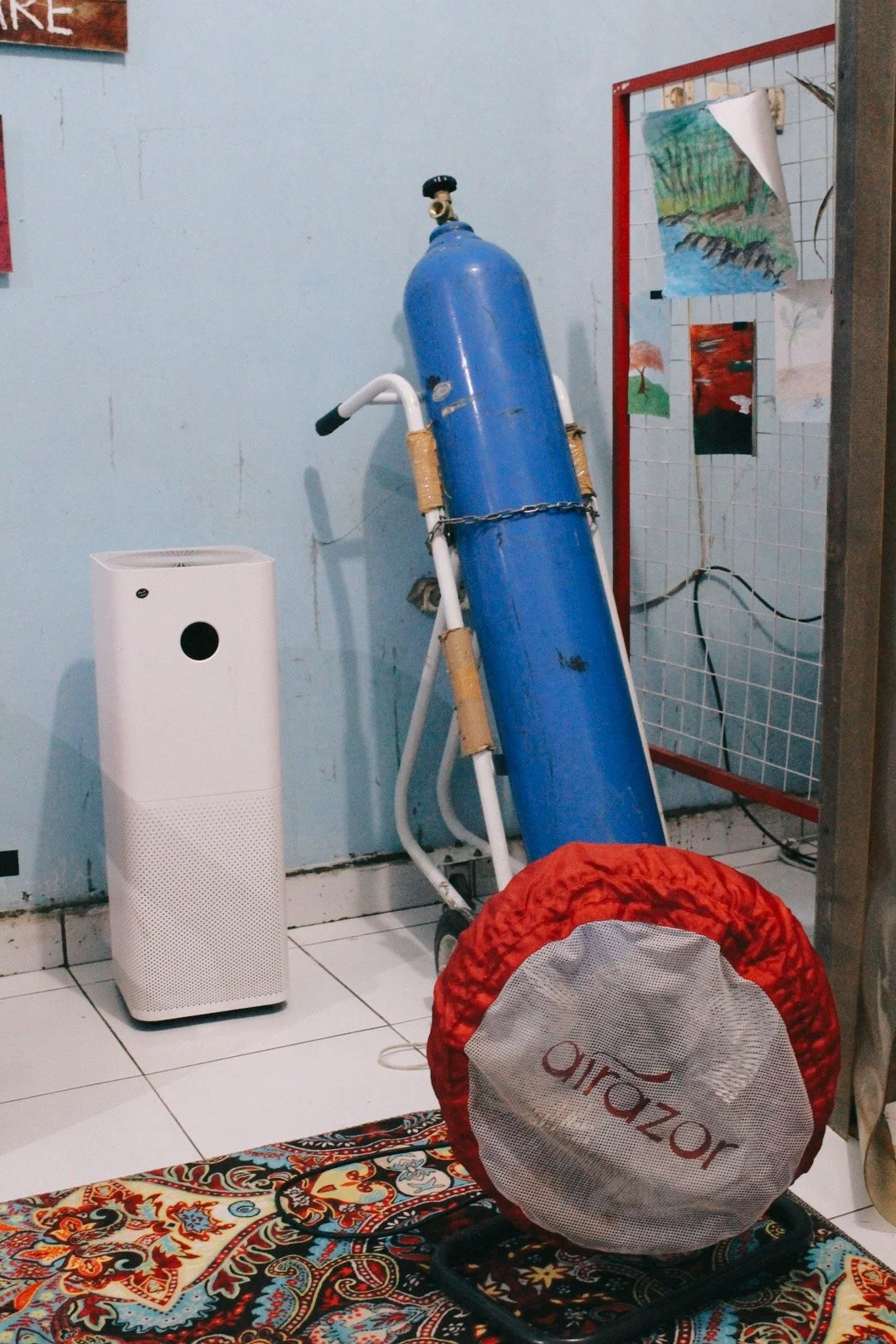
In the heart of Palangkaraya, where the haze from forest fires often grips the region, the Ranu Welum Foundation and Big Red Button Singapore have made a significant, life-saving contribution. The innovative concept of the haze shelter is to provide a clean, breathable environment using advanced air filtration systems. These systems reduce the particulate matter in the air especially PM 2,5, offering a respite from the dangerous haze that plagues the region during the dry season.
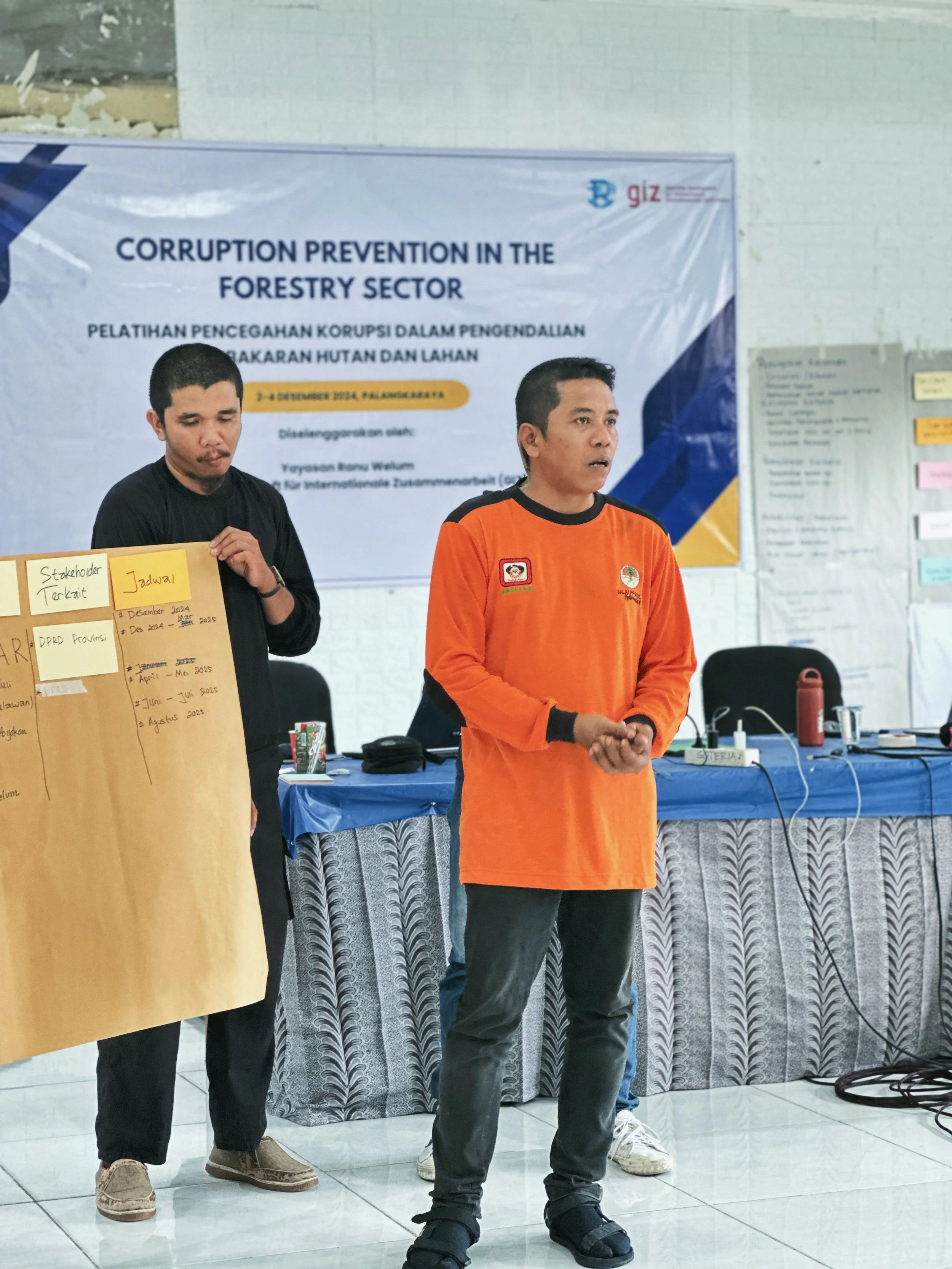
Organized by the Ranu Welum Foundation, with support from GIZ GmbH and in collaboration with the Anti-Corruption Commission of Indonesia under the Corruption Prevention in the Forestry Sector project, the event brought together an influential mix of 15 participants. The group included members from civil society organizations (CSOs), disaster volunteers, firefighters, activists, and environmentalists, each bringing unique perspectives and expertise.
In a significant stride towards enhancing healthcare access in rural areas, the Ranu Welum Foundation, with support from GIZ GmbH, recently organized an impactful medical service and health package delivery in Bundar village. This initiative falls under the Actions on Fire Management and Haze Protocols program, which aims to support communities affected by environmental and health challenges.
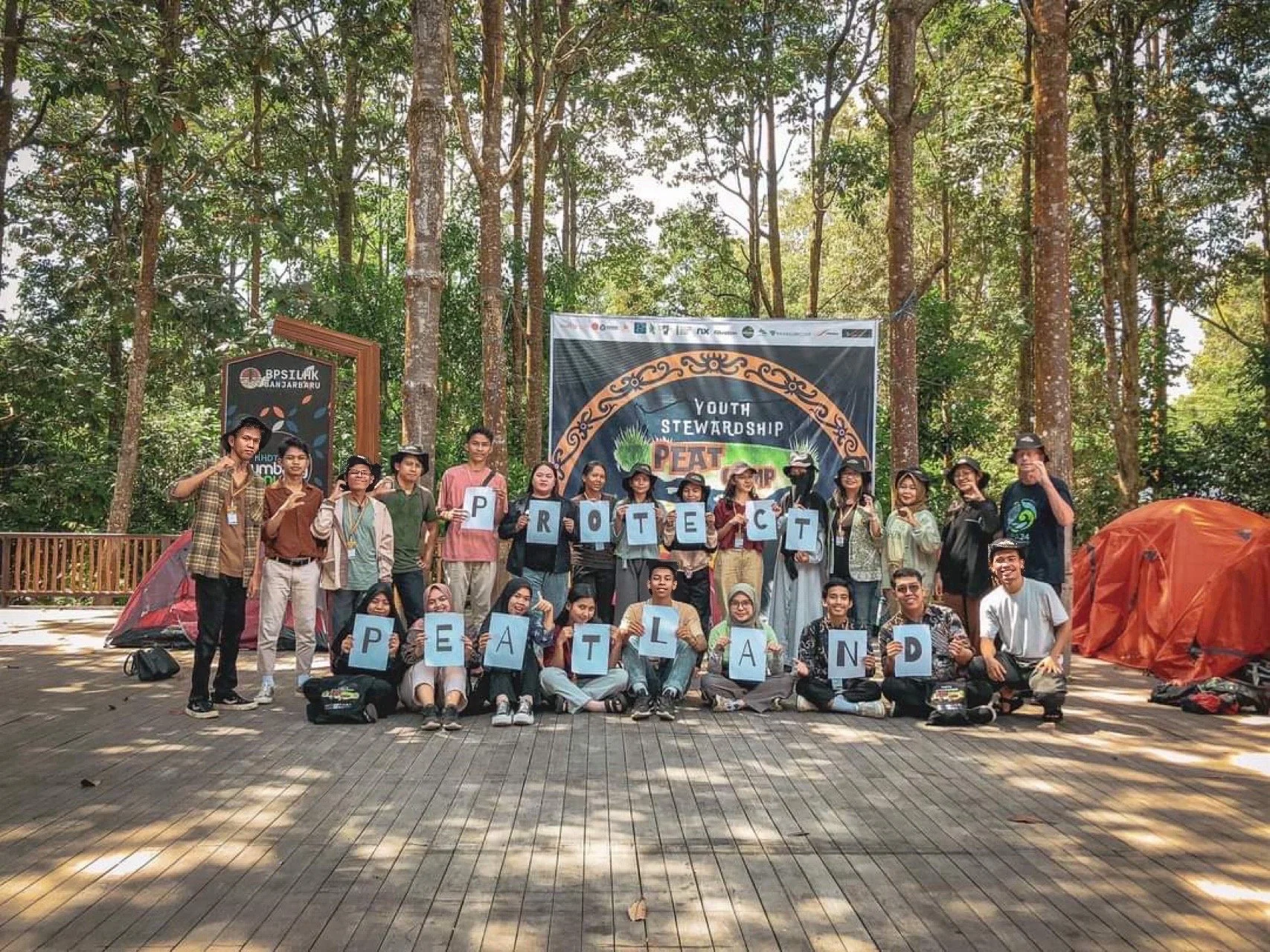
Located in the heart of Central Kalimantan, Indonesia, this camp focuses on educating youth about the critical role peatlands play in the global fight against climate change. This collaboration forms a robust platform that brings together 25 young minds from 15 different universities and communities, which also coming from various regions, fostering a shared vision of environmental stewardship.
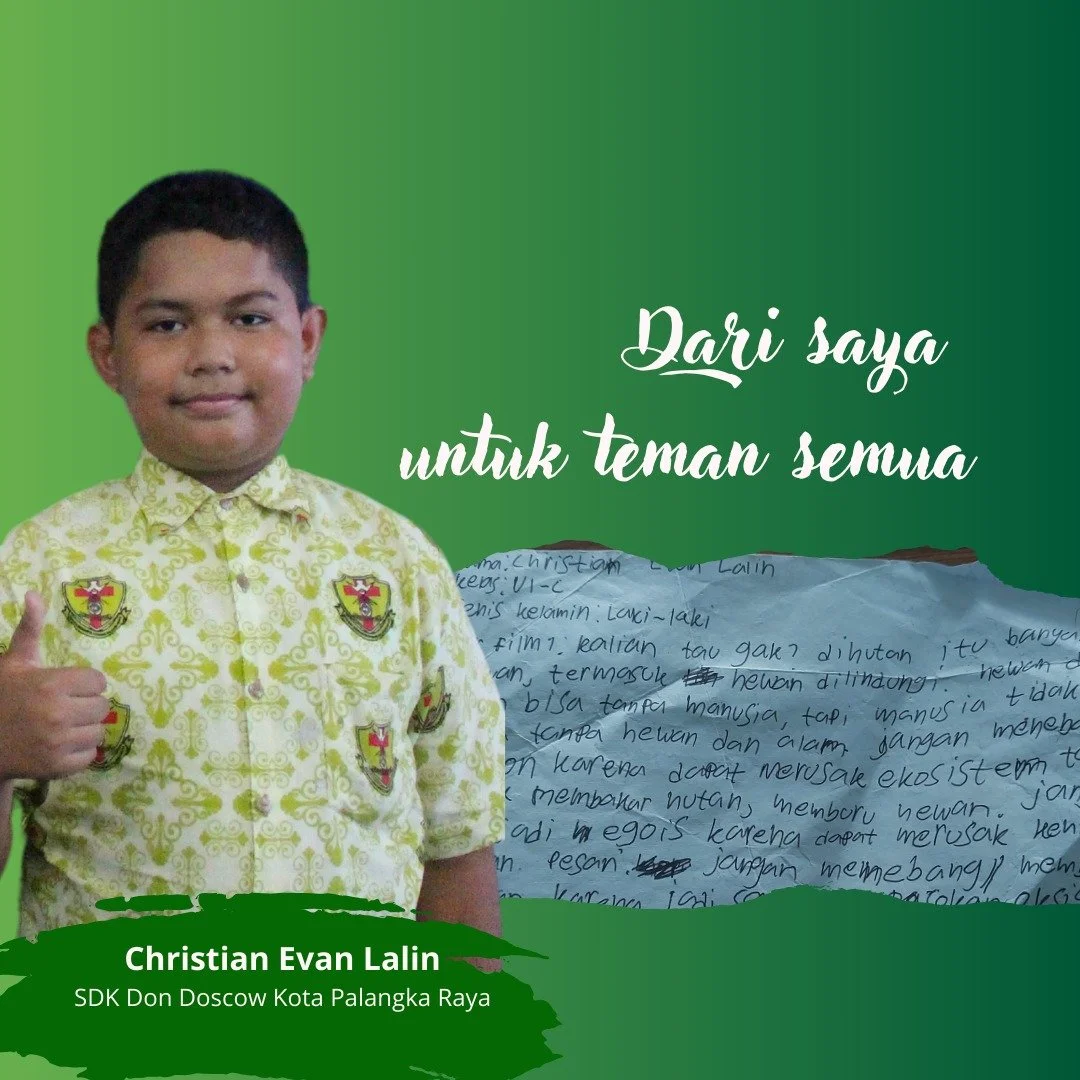
One of the activities in The Heartland Project series is film screenings in schools, which are part of the Kalimantan International Indigenous Film Festival event. Some environmental-theme videos were screened to the students. They were very enthusiastic to discuss about the films and the future of Kalimantan.